


Das Innere unserer Produkte
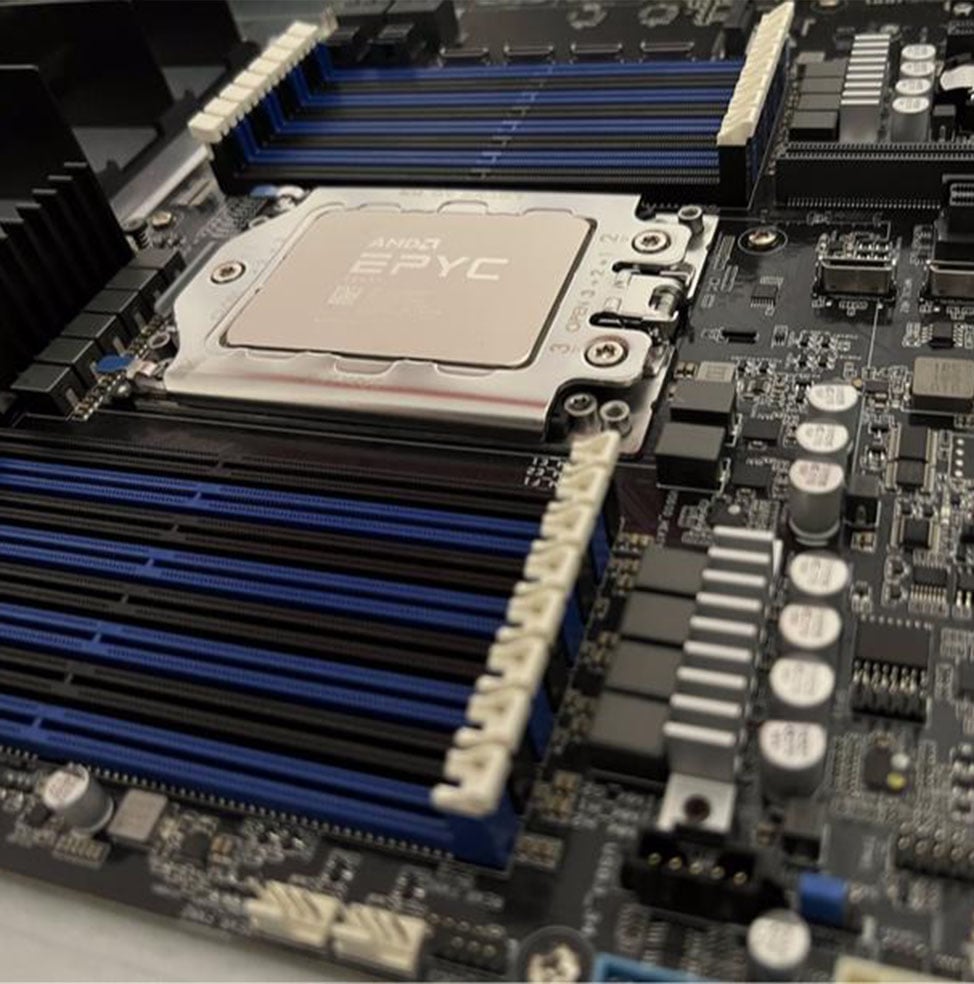
Um unseren Kunden die bestmögliche Hardware gewährleisten zu können, verwendet FameSystems für jegliche Komponenten ausschließlich die neuste Markenhardware, die speziell für den Dauerbetrieb in Rechenzentren konzepiert wurde.
Unsere Leidenschaft für Technologie und unser Engagement für Qualität spiegeln sich in unserer Hardwareauswahl wider. Bei den Prozessoren verbaut FameSystems sowohl AMD EPYC, AMD Ryzen als auch Intel Xeon Prozessoren der neusten Generationen. Für den Arbeitsspeicher setzen wir auf DDR4 ECC Server RAM Riegel von Samsung. Für eine schnellstmögliche Datenverarbeitung kommen PCI Express Samsung Enterprice Datacenter NVMe/SSDs zum Einsatz. Eine redundante Stromversorgung sowie RAID-Controller gehören bei FameSystems bereits seit den Anfängen zu den Standards.
Um die beste Anbindung gewährleisten zu können, haben alle Server eine 2x 10 GBit/s DDoS-geschützte Netzwerk Anbindung.
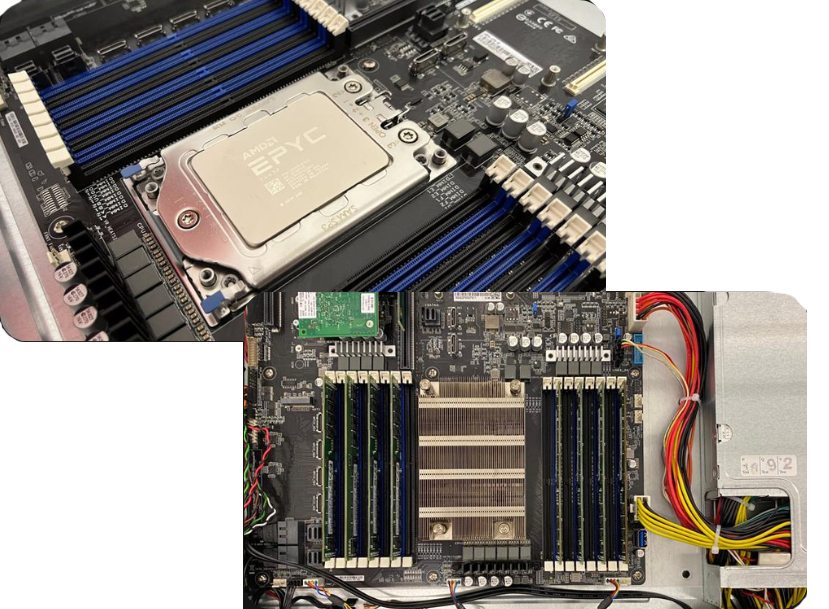
Prozessoren: AMD EPYC, AMD Ryzen und Intel Xeon
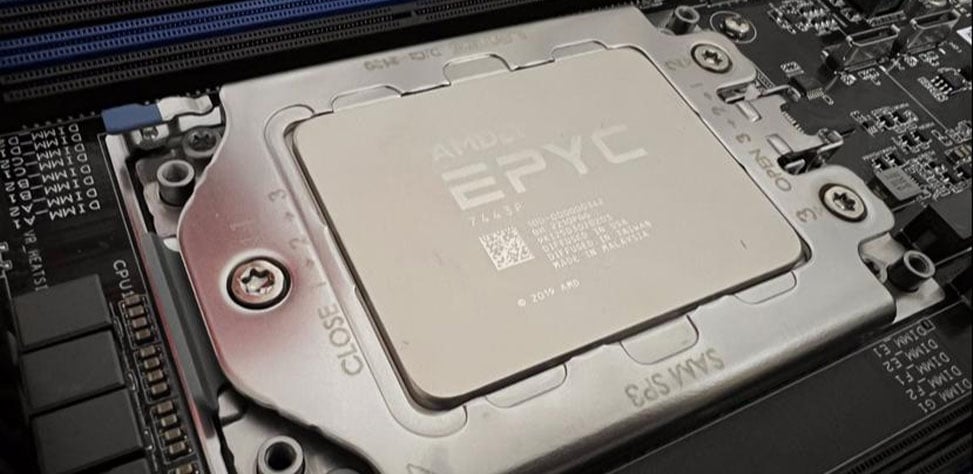
Für Rootserver und vServer setzt FameSystems auf AMD EPYC. Die vielen Kerne und der hohe Speicherdurchsatz eignen sich ideal, um virtuelle Maschinen mit fest zugewiesenen Ressourcen zu betreiben. Dedicated Server für Hosting und Gaming laufen auf AMD Ryzen der 7000er-Serie, die mit hohem Takt pro Kern punktet, was Gameserver und Datenbanken direkt spüren. Die Intel-Xeon-Linie ist der preisbewusste Einstieg mit SSD-Speicher.
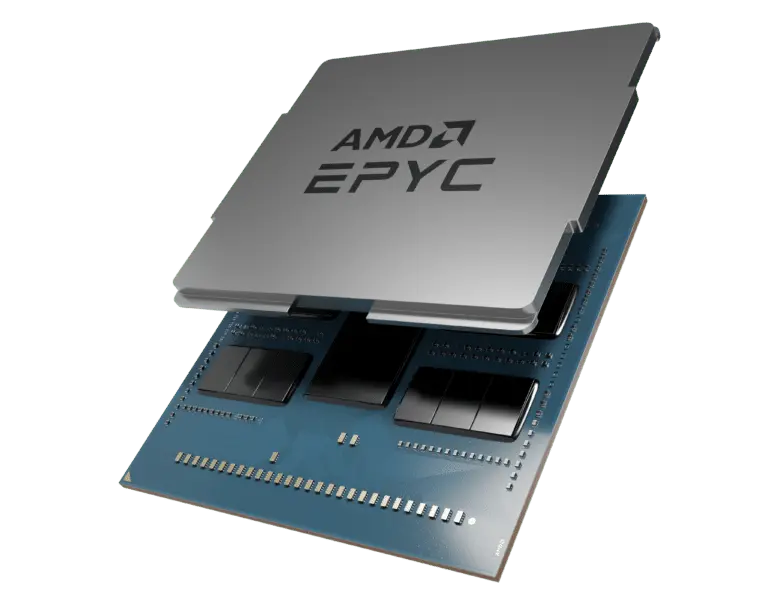
AMD EPYC
Viele Kerne, hoher Speicherdurchsatz: die Basis für Rootserver und vServer mit fest zugewiesenen Ressourcen.
EPYC-Rootserver
AMD Ryzen 7000
Hoher Takt pro Kern für Dedicated Server, Gameserver und Datenbanken.
Ryzen Dedicated Server
Intel Xeon
Der preisbewusste Einstieg mit SSD-Speicher, als KVM-Rootserver oder LXC-vServer.
Intel-RootserverArbeitsspeicher: DDR4 und DDR5
Die EPYC- und Ryzen-Linien gibt es wahlweise mit DDR4 oder DDR5. DDR5 liefert deutlich mehr Bandbreite und hilft überall dort, wo viele Prozesse gleichzeitig auf den Speicher zugreifen, etwa bei Datenbanken, Virtualisierung und Gameservern mit vielen Spielern.
Speicher: NVMe statt SATA
Alle EPYC- und Ryzen-Server nutzen NVMe-SSDs. Sie hängen direkt am PCIe-Bus und erreichen ein Vielfaches der Zugriffszahlen klassischer SATA-SSDs. Das merkst du bei Installationen, Backups und allen Anwendungen mit vielen kleinen Schreibzugriffen. Die Intel-Linie ist mit SSD-Speicher ausgestattet.
Virtualisierung: KVM und LXC
Zwei Techniken, zwei Preisklassen. Welche passt, hängt vom Betriebssystem und vom Anspruch ab.
KVM-Rootserver
Vollwertige virtuelle Maschine mit eigenem Kernel. Linux oder Windows, eigene Kernel-Module, volle Kontrolle wie bei physischer Hardware.
KVM-Rootserver ansehen
LXC-vServer
Linux-Container, die sich den Kernel des Hosts teilen. Günstiger, schneller gestartet, nur für Linux.
LXC-vServer konfigurierenNetzwerk: 2× 10 Gbit/s je Server
Jeder Server ist doppelt mit 10 Gbit/s angebunden und hängt hinter der DDoS-Mitigation von Arbor Networks. Standort ist das Rechenzentrum Maincubes FRA01 in Frankfurt am Main, direkt am DE-CIX.
Häufige Fragen
Kurze Antworten auf die Fragen, die uns dazu am häufigsten erreichen.
KVM ist eine vollständige Virtualisierung mit eigenem Kernel, auch Windows ist möglich. LXC ist eine Container-Virtualisierung nur für Linux, dafür günstiger und ressourcenschonender.
Ja, auf allen KVM-Rootservern mit AMD EPYC gibt es Windows-Pakete. LXC-vServer unterstützen nur Linux.
Ja. CPU-Kerne, Arbeitsspeicher und NVMe-Speicher sind fest zugewiesen und werden nicht überbucht.
Bei speicherintensiven Anwendungen wie Datenbanken, Virtualisierung und großen Gameservern ja. Für einfache Webseiten oder kleine Bots reicht DDR4 vollkommen aus.
Ja. Upgrades kannst du jederzeit über den Kundenbereich buchen. Wenn du bereits das größte Paket nutzt, erstellen wir dir auf Anfrage ein individuelles Upgrade.